
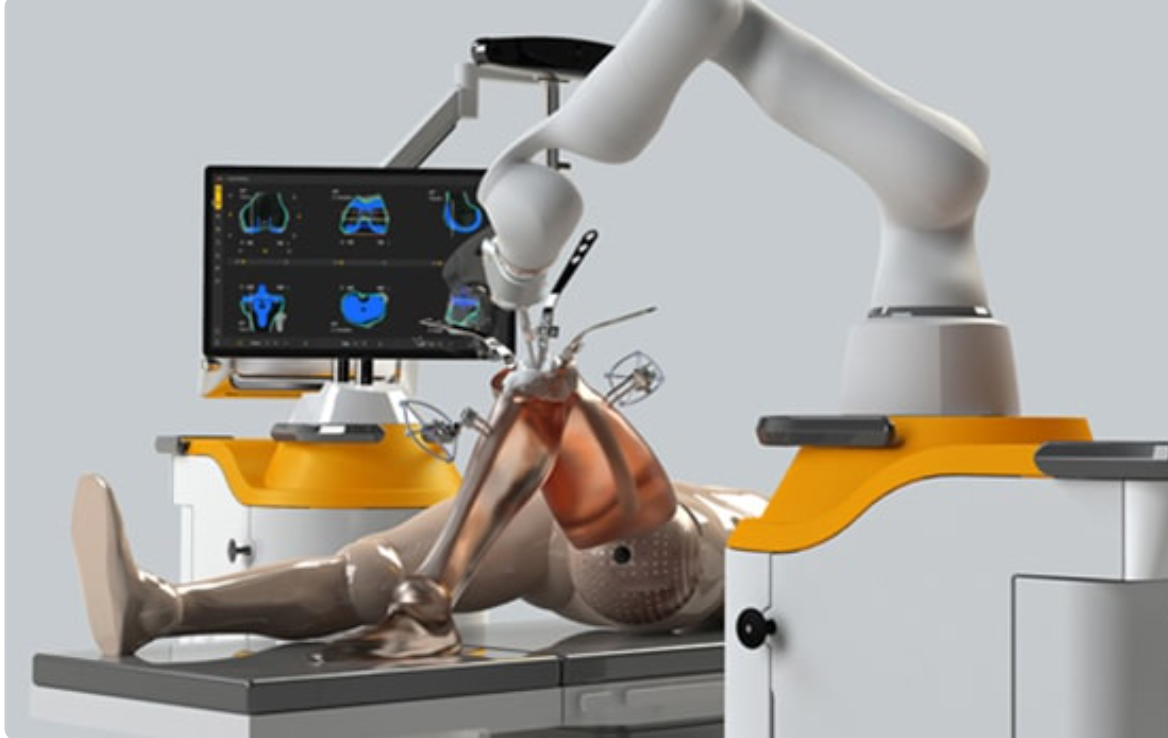
The robotic knee replacement is an amazing technological advancement in orthopedic surgery. It blends surgical experience and robotic precision to provide high-quality results for the alignment of joints and implants. This results in increased quality of life, speedier recovery and improved long-term mobility for patients.
In this blog, we will look at what the daily routine after knee surgery will look like during the months following a joint replacement.
Understanding Robotic Joint Replacement Surgery
The robotic joint surgery makes use of robot arms and computer-aided planning to aid the surgeon in accurately placing implants. The procedure is commonly utilized to replace hips and knees and has particular benefits for ensuring joint mobility and long-term durability for the implants.
The advanced technique reduces the risk of trauma on the tissues surrounding it, decreases the likelihood of errors, and also reduces the length of hospital stay. People who undergo robotic joint replacement are more likely to have less pain and a faster recovery time, allowing for quicker return to normal life.
The best knee replacement surgeon in Ahmedabad uses advanced robotic-assisted technology to achieve greater surgical precision, improved implant alignment, and long-lasting outcomes for knee replacement patients.
First Week: Hospital Stay and Immediate Recovery
The first week following the surgery to replace a joint robotically is mostly concerned with pain management, along with wound healing and getting patients in motion. The average patient stays in the hospital for 3 to 5 days, according to their health condition and speed of healing.
What typically occurs in the beginning week?
- The swelling and pain are managed with prescribed medication and treatment with cold.
- Simple movements like walking and standing for just a couple of steps are supported by physical therapists.
- Wound treatment is overseen by medical personnel to stop infections.
- Exercises in breathing and blood circulation can be done to lower the possibility of blood clots.
Selecting the knee replacement doctor in Ahmedabad ensures that the crucial first few days of recovery are overseen by highly experienced orthopedic experts employing the latest technologies and protocols for recovery.
Week 2 to Week 4: Early Home Recovery
Following discharge, the attention is now on treatment for the knee replacement at the house. This is a crucial stage because the basis of healing begins during this time.
In this phase, the following is what you can expect:
- The use of walking aids such as a cane or walker might be needed.
- It is not uncommon for swelling and bruises to decrease, but there is a possibility of discomfort.
- Gentle exercises at home or physiotherapy are recommended to increase mobility.
- Regular activities such as standing, sitting and brief walks may be resumed in a cautious manner.
- The emotional adjustment process is commonplace; certain patients might feel angry or anxious throughout the period of healing.
Week 5 to Week 8: Regaining Independence
In the 5th week by the fifth week, patients will begin to notice the improvement of their strength and mobility.
In this moment, the process of recovering could involve:
- The gradual decrease in the usage of walking aids: Patients may begin taking a walk without aid for a short distance.
- Enhances balance and coordination: This makes it more secure for people to climb stairs and rough flooring.
- Activities that are not household-related
- ; Like dusting, cooking or folding laundry, may be carried out again.
- Back to normal driving: Depending upon the doctor’s guidance, the strength of the operating leg.
- In-continuing Physiotherapy: Continues with a greater focus on strengthening the muscles and enhancing flexibility.
Being in touch with a knee replacement surgeon in Ahmedabad assists in monitoring the progress of your rehabilitation and makes necessary adjustments to your routine of rehabilitation.
Week 9 to Week 12: Building Strength and Confidence
In this time, the patients typically reach the next stage in their recovery of their joint using robotics. The strength and confidence increase steadily, and the knees feel more solid during motion.
This usually involves:
- Walking longer distances: Sometimes outdoors, without help.
- Stair climbing: Becomes more fluid and less strenuous.
- Exercises to strengthen your muscles: Introduced to rebuild muscles around joints.
- Involving in less-impact leisure actions: Like swimming, cycling or even light yoga.
- A greater focus on balance and posture: This reduces strain on the joint that is being replaced.
Beyond 3 Months: Long-Term Progress and Lifestyle
After 12 weeks, the majority of patients are adjusting well to their new knee and are able to begin their everyday routines with renewed enthusiasm. It is important to maintain treatment and a healthy lifestyle are vital to ensure long-term results throughout your life following the knee operation.
The main thing to consider is these things for your longer-term health recovery:
- Full return to everyday activities, like walking, shopping or even occasional travel, is feasible.
- Resuming your hobbies: For example, gardening, dancing, golfing, or golfing could be resumed with the approval of your physician.
- Weight maintenance: Helps avoid excess stress on the joint that has been replaced.
- Regular home workouts: They should be maintained to keep the flexibility and tone of your muscles.
- Check-ups every year: With your surgeon, check that your implant’s functioning is in order.
Patients who have received regular follow-up treatment benefit tremendously from ongoing monitoring and a specialized rehabilitation plan to reduce the chance of developing complications. During knee replacement in Ahmedabad, experienced orthopedic teams emphasize structured follow-ups and guided physiotherapy to ensure optimal recovery, improved mobility, and sustained pain relief.
Robotic Knee Replacement Recovery Timeline Overview
If you’re looking for an easy overview of what is expected during the recovery process. Here is a week-by-week overview of the rehabilitation of the robotic knee schedule:
- The first week of the course: Hospital stay with monitored physiotherapy, pain management and supervised exercise.
- Weeks 2 – 4: Basic movements at home. Swelling decreases. Moderate walking is resumed.
- Weeks 5 – 8: Improved strength and mobility. Walking aids are gradually removed.
- Week 9-12: Complete weight-bearing, moderate-impact exercise, and free mobility.
- After 3 Months: Normal life resumes and physical fitness with continued joint health.
Conclusion
Recovery from a surgical knee replacement is a planned and gradual process. The high-quality of the robotic procedures makes the process of healing much more efficient and reliable, providing positive outcomes for people with severe joint injury. If you require a customized robotic knee replacement recovery timeline or guidance regarding rehabilitation or ongoing assistance, their team is dedicated to ensuring that each patient receives the most advanced level of treatment.
An appointment for a preventive consultation at Dr. Tirth Vyas may help evaluate your joint health earlier, which could help you avoid surgery or help you prepare to have the most effective outcome. By ensuring that you plan your journey and are committed to following through with the appropriate medical experts, you can get the best treatment. You can make robotic joint recovery. Your journey may lead you to a richer and more active lifestyle.