
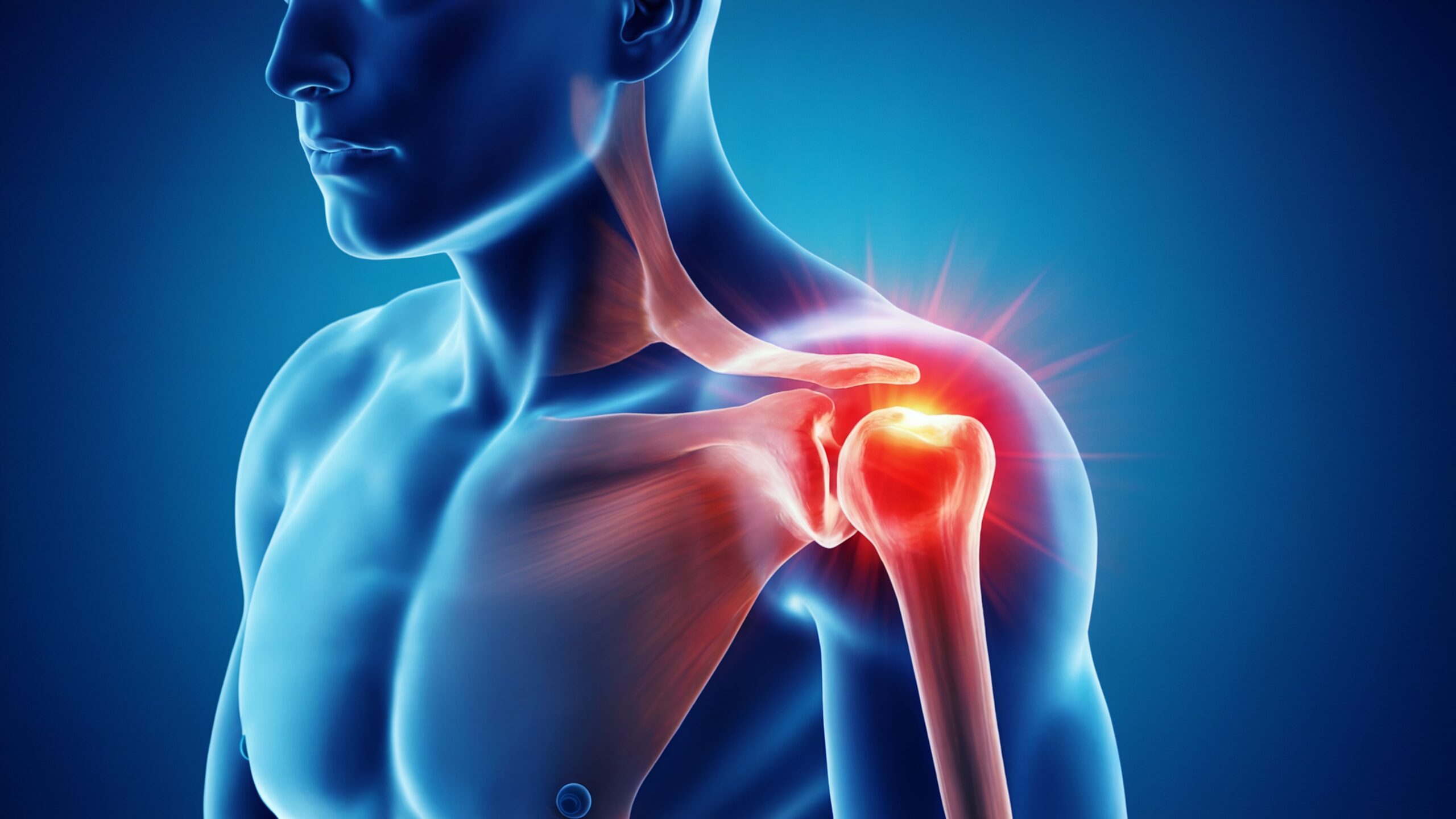
The rotator-cuff injury may appear easy at first glance, but it could disrupt your daily life rapidly. A lot of people ignore the discomfort. They assume it will get better through relaxation. However, it doesn’t always happen. The shoulder contains four smaller yet powerful muscles. These are known as the muscle groups that have been injured in the rotator-cuff. These muscles help keep the shoulder in a stable position. They also aid in lifting your arm.
If the muscles of one or more tear or strain, or become inflamed it causes pain. It is a deep pain. It’s in a sharp position. It gets more painful with every move. Many patients report that they did not notice any discomfort in the beginning. It was moderate. It then became rigid and heavy.
The article will explain the symptoms of the condition, their causes, tests and the most effective treatment options. This article is designed to be as clear as possible. It will allow you to understand the shoulder more clearly. If you’ve ever tried to find the best orthopaedic surgeon in Ahmedabad and go to the most reputable orthopaedic treatment center, you are aware of what you can expect.
Shoulder Structure and Rotator Cuff Injury
The rotator-cuff muscle is made up of four muscles. They are located around the high point of the armbone. They keep the bone in the socket of the shoulder. The muscles assist you in lifting the arm. They assist in rotating your arm. They help you move your arm smoothly. When the cuff gets weaker or tears, the motion ceases.
The most important muscles include:
- Supraspinatus
- Infraspinatus
- Teres minor
- Subscapularis
Every muscle is a tendon. Tendons connect muscle to bone. Therefore, if a tendon breaks it, pain can be felt quickly.
Common Causes of Rotator Cuff Injury & Problems
A variety of factors can trigger a rotator-cuff injury. A few are caused by sudden injury. Some are a result of years of building.
- Wear and tear due to age: As you grow older the strength of your shoulder decreases. The fibers of the tendon dry. Small cracks appear. They can expand.
- Repeated arm movements: Pain grows in people who lift their arms frequently. Gym lifters, as well as swimmers notice the problem frequently.
- A sudden injury: An accident can cause a tear to the cuff. An intense lift could strain the. A jerk can inflame it.
- Poor posture: Slouched posture stretches the tendons. This causes friction.
Each trigger causes a unique degree of injury. Some injuries stay mild. Some injuries turn severe.
Affects and signs of Rotator Cuff injuries
The majority of patients do not notice the first symptoms. However, early treatment can save the shoulder.
Find:
- The pain of lifting
- The pain is felt when sleeping on the side that is affected
- Weakness
- Clicking sounds
- Stiffness
- The pain when you reach high
Patients will point out a particular region. Orthopaedic surgeon in Gota refers it to as the area of the injury of the pain. It is usually located on the outside of the hand. It may also spread towards the elbow.
Why Are Shoulder Tests in Ahmedabad Important?
It is the results of a test for a rotator cuff injury for determining the extent of the damage. There is no speculation. The shoulder contains a variety of structures. The source of pain could be the tendon, the joint bursa even in the neck. An examination can pinpoint the source of pain.
Doctors may prescribe:
- Physical examination
- Checks for strength
- Ultrasound
- MRI
An MRI will clearly reveal tears. The scan also displays an increase in swelling. The tendon’s thickness is also shown. This will guide treatment plans.
Rotator Cuff Rehabilitation Treatments for Injuries without Surgery
A majority of patients do not require surgery. Patients require a strategy. It is the goal to lessen the pain. Then we improve motion. After that, we increase our strength.
1. Be careful and rest in peace
Relax the shoulder however, not completely. Moving the shoulder lightly helps keep the joint in place.
2. Cold packs of cold
Cool packs will reduce swelling. They help to calm tissue.
3. Controlling pain
Medicines help settle inflammation. They should be taken under direction.
4. Therapy
It is the primary stage. The therapist will instruct exercises to heal the rotator-cuff. The exercises help improve control of muscles. They restore strength. They increase the glide of the tendon.
The steps listed above form the basis of rehabilitation for injuries to the rotator-cuff. If they are followed properly, many patients fully recover.
When Surgery for Rotator Cuff Injury Becomes the Better Choice
If there is persistent pain for a prolonged period it is possible that the cuff has been severely torn. If the weakness continues to increase and the cuff is not able to recover on its own. When this happens, we look into the possibility of a rotator cuff repair. Patients may refer to it as a surgery to repair a rotator cuff injury.
Surgery is helpful in situations where:
- Tendon is completely torn
- The tear is huge
- In the daily routine, weakness affects us all.
- The injury was the result of an abrupt trauma
Different types of rotator cuff Surgery
- Arthroscopic Surgery: The surgeon uses tiny cuts. A camera is placed into the. The tools repair the tendon. This procedure heals the tendon faster.
- Repairs that open: The doctor makes a bigger cut. It can help in cases of severe tears. The healing process takes a while, but the results are durable.
- Mini-open repair: This is a combination of both techniques.
The best arthroscopy surgeon in Ahmedabad selects the procedure according to the amount of tear and quality of tendon, as well as age of the patient.
Life after Rotator Cuff Surgery
The process of healing takes time. However, it is effective with the proper guidance.
- Sling support stays for some weeks
- Gentle motion starts early
- The strength training begins after
- The full recovery can take several some time
A lot of patients go back to their normal daily life. They go back to their sport. They go back to work. They can return to their normal, pain-free movements.
Stimulating The Strength Of Your Shoulders With Secure Training
Exercises that strengthen the cuff are beneficial. They can also aid in longer-term rehabilitation. The therapist will teach the exercises. Do not begin any with a lot of training too early.
Common helpful moves:
- Pendulum changes
- Wall slides
- External rotation
- isometric holds
- Pulls of light bands
What Is the Best Time to Visit Orthopedic in Ahmedabad?
Consult an orthopaedic surgeon in Ahmedabad before you experience pain if it lasts longer than one week. When the arm is feeling trapped. The pain can wake you up at night. The sooner you seek help, the better your results.
If you are in the vicinity of Ahmedabad, a visit to with an orthopedist within Ahmedabad is recommended. An expert guides the proper scanning. They plan the treatments. They monitor the recovery. The best clinics offer therapies all under one roof. This reduces the time spent. It also improves the results. This improves results. Most reputable orthoclinic located in Ahmedabad usually has the latest instruments to assist in the early stages of healing.
A rotator cuff injury requires prompt care. It is important to take the first steps in order to save your shoulder. Tests are a good guide for the course. An organized routine can bring energy back. Surgery can help those with severe conditions. The treatment determines the outcome.
If you require expert advice, Dr. Tirth Vyas offers the best care with a guided approach. Our goal is to help patients better understand the cause of their discomfort. They are assisted in getting back to their normal activities. We encourage long-term healing even if the shoulder is stiff in the beginning. Dr. Tirth Vyas provide knee replacement, hip replacement, shoulder rotator cuff repair, acl reconstruction surgery, bankart repair, shoulder replacement, hip replacement surgery, arthroscopy surgery, chronic joint pain, trauma surgery, joint replacement, ACL injury, pcl reconstruction, cartilage surgery, knee or hip arthroscopy, bankart repair for recurrent dislocation.