
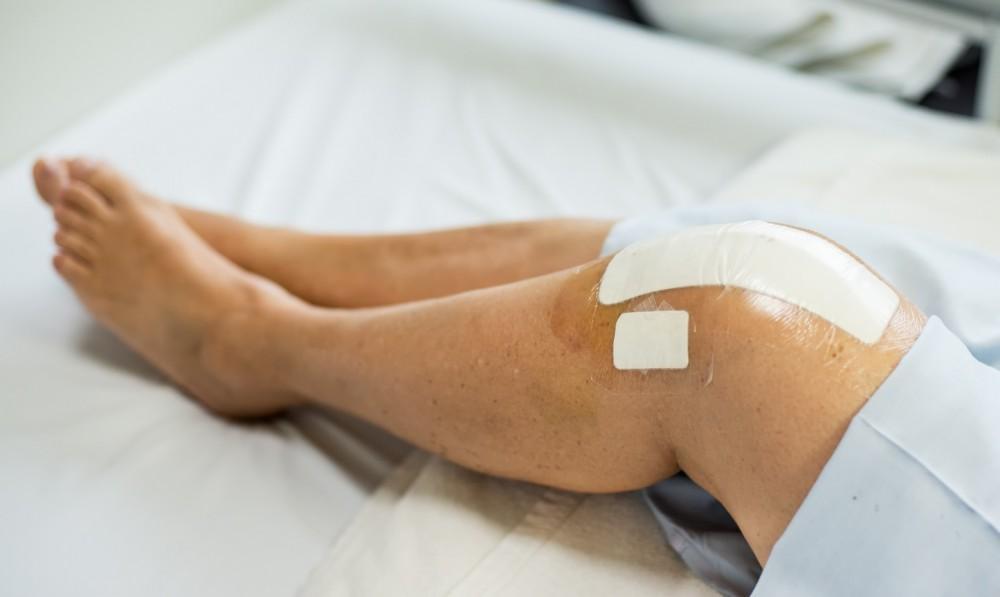
Knee replacement surgery can be life-changing for those suffering from chronic knee pain mobility or arthritis. The success of this surgery doesn’t stop within the operating room, it can be continued at home throughout the recuperation stage. Being aware of what you should do (and the things to avoid doing) immediately following the surgery is essential to ensure a safe and quick recuperation.
According to Dr. Tirth Vyas, a renowned doctor in the field of orthopedics and the top knee replacement doctor in Ahmedabad. The proper follow-up procedures after surgery can dramatically minimize complications and improve the long-term outcome.
Understanding Knee Replacement Recovery
It’s the case of a complete knee replacement or an robotic knee replacement the time for recovery is essential to regain mobility, decreasing pain getting back to normal routine. The majority of patients begin walking on their own with help after a few days and then continue their rehabilitation for a few weeks.
The below guidelines for Do’s and Don’ts give you a thorough guideline to ensure that you can recover with confidence and safety.
Do’s After Knee Replacement Surgery
1. Follow Your Physiotherapy Schedule Religiously
Therapy for physical injuries is the basis of your healing. Training exercises improve flexibility, strength and the range of motion within the knee you have just repaired.
- Start by doing gentle exercises in the range of motion in accordance with the advice.
- Gradually increase the intensity with guidance.
- Dr. Tirth Vyas recommends continuing the physiotherapy treatment for at least six to twelve weeks.
2. Use Mobility Aids Initially
Walking sticks, crutches or a cane are all helpful to keep your balance intact and avoid accidents in the beginning period of recovery.
- Be cautious about walking around without assistance.
- Walking without aid is possible only after your surgeon or physiotherapist has cleared your.
3. Take Prescribed Medications on Time
Anti-inflammatory and painkillers help reduce swelling and pain.
- Be sure to adhere to the dosage.
- Do not abruptly stop taking pain medication without consulting your physician.
4. Keep the Surgical Site Clean and Dry
The proper treatment of wounds prevents the spread of infection and helps promote healing.
- Replace dressings according to instructions.
- Be on the lookout for indications of an inflammation, such as warmth, redness or a discharge.
5. Elevate Your Leg to Reduce Swelling
Pillows under your ankle (not behind your knee) to raise your leg.
- Aids in reducing fluid accumulation and enhances circulation.
- Do not stand for too long during the initial stage.
6. Maintain a Healthy Diet
Nutrition plays an important role in the repair of tissue and the strength of bones.
- Get protein-rich fruits, proteins and veggies.
- Keep hydrated and stay clear of excess salt intake to minimize swelling.
7. Attend Follow-Up Appointments
Check-ups regularly with your orthopedic doctor are vital.
- Dr. Tirth Vyas closely monitors the post-surgery progress and makes timely changes to your treatment plan.
Don’ts After Knee Replacement Surgery
1. Don’t Ignore Pain or Swelling
The slight discomfort is normal However, extreme swelling or pain could be a sign of problems such as the presence of blood clots or infection.
- Contact your knee replacement surgeon in Ahmedabad immediately if symptoms get worse.
2. Don’t Sit or Lie Still for Long Periods
Being active increases the risk of stiffness and blood clots.
- Make sure to exercise every 2 minutes, even if it’s only changing your position or doing leg pumps.
3. Don’t Cross Your Legs
The strain of crossing your legs puts pressure on the knee joint. It could also cause a dislocation to the prosthesis.
- Place your feet on the ground and your knees separated.
4. Don’t Use Stairs without Support
In the meantime, until your muscles have recovered it is still a risk to climb stairs.
- Make use of handrails and just make sure you take a step at each step at a pace.
- Be careful not to carry weight when climbing steps.
5. Don’t Soak Your Wound in Water
Do not swim or bathe in tubs until your injury is completely healed.
- Make sure to use sponge baths, or short showers.
- Check with your doctor prior to starting the water-based activity.
6. Don’t Drive Too Soon
The time to react is reduced following the procedure due to the medication and pain.
- It is normal to drive for up to 4-6 weeks after surgery or as per the advice.
- A knee injury in your right leg could slow your return to driving.
7. Don’t Resume High-Impact Activities
Things like running, jumping or playing contact sports may harm the implant.
- Choose low-impact workouts such as swimming, walking or biking.
- Consult the best Knee replacement surgeon in Ahmedabad prior to resuming physical activities.
Expert advice by Dr. Tirth Vyas
“Successful knee replacement surgery depends as much on the post-operative care as it does on the surgery itself,” claims Dr. Tirth Vyas, an eminent orthopedic surgeon who is known for his proficiency in the field of robotic knee replacement.
When considering treatment, many patients also inquire about the knee replacement surgery cost in Ahmedabad, as the city offers advanced orthopedic care at comparatively affordable rates. The doctor adds that following the right post-surgical guidelines helps patients return to their normal lives faster, with less pain and better function. The most effective knee replacement surgeon in Ahmedabad, Dr. Tirth Vyas, combines advanced surgical techniques and a patient-centric method to guarantee the best results.